
The honest answer is more specific than most SEO headlines suggest. Adding a recording to a page does not automatically improve its Google ranking. A useful demonstration can, however, create additional ways for people to discover the page, understand the topic, and decide whether the result meets their needs.
That distinction matters. This format works best as part of a complete page that answers a real question. It is not a ranking shortcut or a box that every article must check.
Is Video a Direct Google Ranking Factor?
Google uses many systems and signals to identify relevant, useful results. Its public documentation explains how recordings can become eligible for video features, but it does not say that merely embedding one gives a page a ranking boost.
A page still needs to be relevant to the query, indexable, understandable, and useful. The player should support that purpose. If the page is weak, placing one at the top will not repair the missing information. If the page is already useful, a focused demonstration or explanation may make the experience better.
It is also safer not to treat session duration or dwell time as a confirmed ranking input. A helpful recording may keep a visitor engaged because it answers the question well, but that does not prove Google raised the page because the visitor watched for longer.
Where Video Can Create a Real SEO Advantage
Additional search surfaces
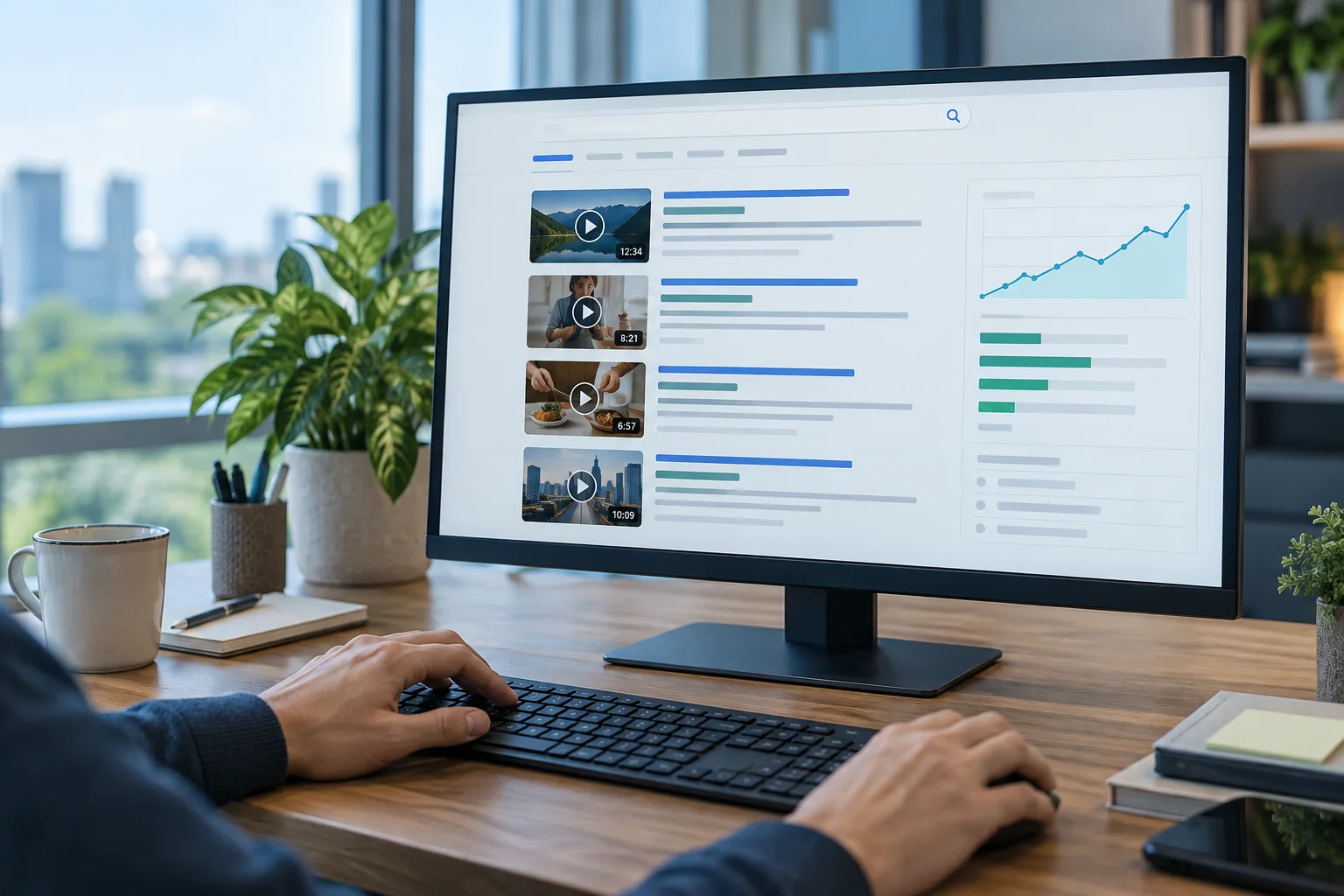
Relevant recordings can appear in the main search results, Video mode, Google Images, Discover, and dedicated result features. A page that meets the technical requirements may therefore gain visibility beyond a standard text listing.
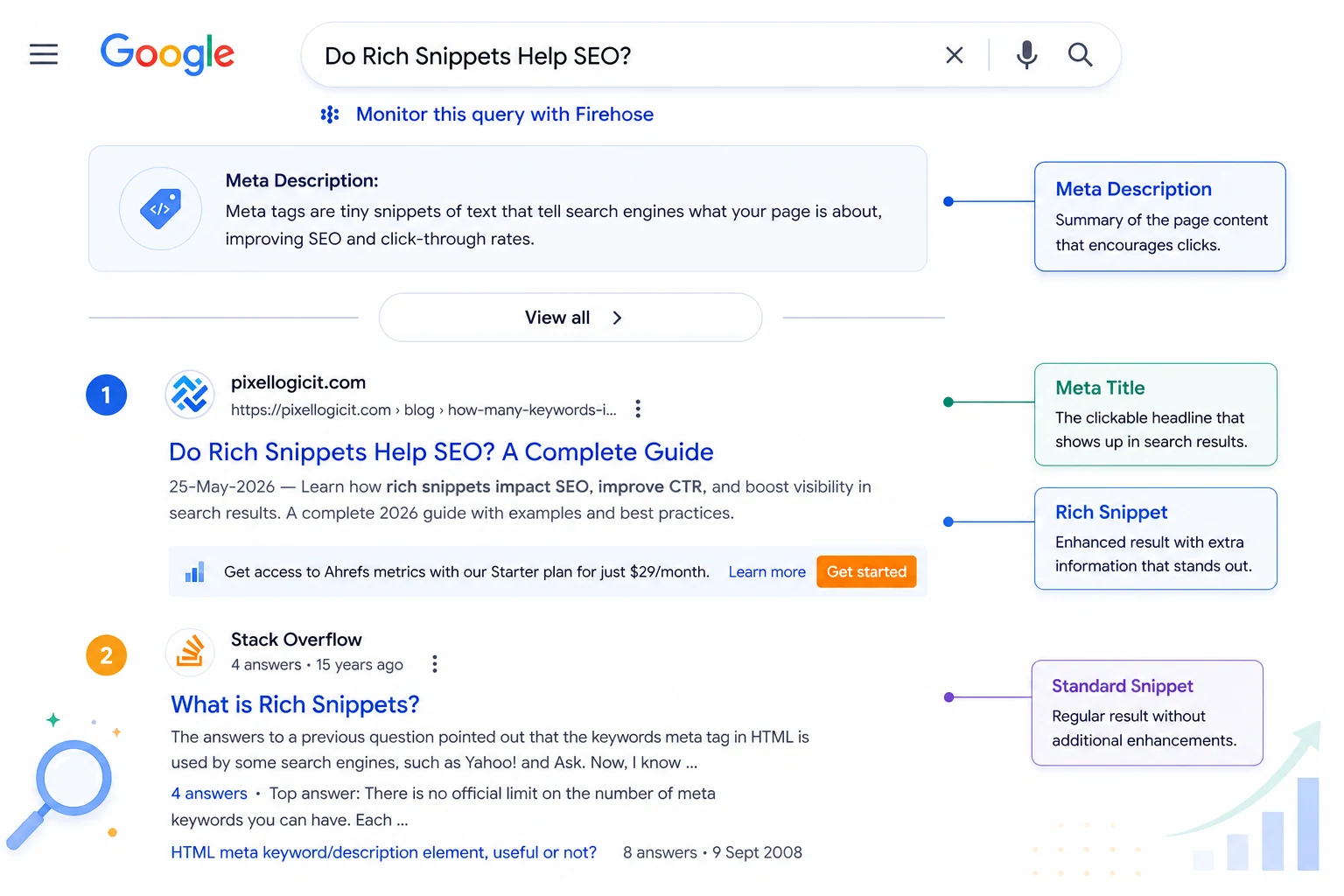
That is different from saying the format guarantees a higher blue-link position. The opportunity is broader search appearance. Structured data can help Google understand the embedded media, just as other forms of markup can support eligibility for rich snippets, but no markup guarantees that a special result will appear.
A clearer answer for visual questions
Some questions are easier to answer by showing rather than describing. Software walkthroughs, repairs, demonstrations, exercises, recipes, comparisons, and visual troubleshooting are natural topics for this format. A reader can see the exact step, position, movement, or result instead of translating a paragraph into an action.
Format should follow intent. Before producing a recording, examine the query and the related keyword phrases. If people need a quick definition, concise text may be enough. If they need to watch a process, a visual demonstration may add substantial value.
Useful assets that can earn references
A strong tutorial, original demonstration, or expert explanation can be shared or referenced by other sites. Those outcomes depend on the quality of the asset, not its file format. A generic recording that repeats the surrounding article gives people little reason to cite it.
More opportunities in AI search experiences
Google says its generative search features may include relevant images and clips. That creates another possible discovery surface, but there is no documented rule that one hosting provider receives automatic preference. Clear pages, useful media, accurate visible information, and normal SEO fundamentals still matter.
A Watch Page Is Different From a Blog Post With Video
Google describes a watch page as a page whose main purpose is to let someone watch one recording. A dedicated lesson page, product demonstration page, or episode page can fit that description.
A blog post with supporting media is different because the article remains the main content. That page may still rank as a normal text result and may receive a video badge in some image experiences. It is not automatically eligible for every dedicated media feature.
Use a dedicated watch page when watching is the visitor's main task. Use an embedded player when it helps explain one part of a broader article. Do not force every recording into the same template.
Video SEO Checklist
| Check | Why it matters |
|---|---|
| Indexable page | Google must be able to crawl and index the page that contains the video. |
| Visible embed | The video should load in rendered HTML and should not depend on a hidden interaction. |
| Stable thumbnail | A crawlable, consistent thumbnail is required for video indexing and presentation. |
| Accurate metadata | The title, description, thumbnail, and structured data should describe the same video. |
| Useful context | A summary, steps, or transcript helps people scan the information and use it accessibly. |
| Relevant placement | The video should appear where it supports the question, not as unrelated decoration. |
How to Measure Whether Video Helps
Decide what success means before adding the player. A practical review can include:
- Whether Google indexed the recording
- Impressions and clicks from video-related search appearances
- Search queries that lead to the page
- Playback starts, completion rate, and useful interaction points
- Conversions or assisted conversions from visitors who viewed the page
- Page performance before and after adding the player
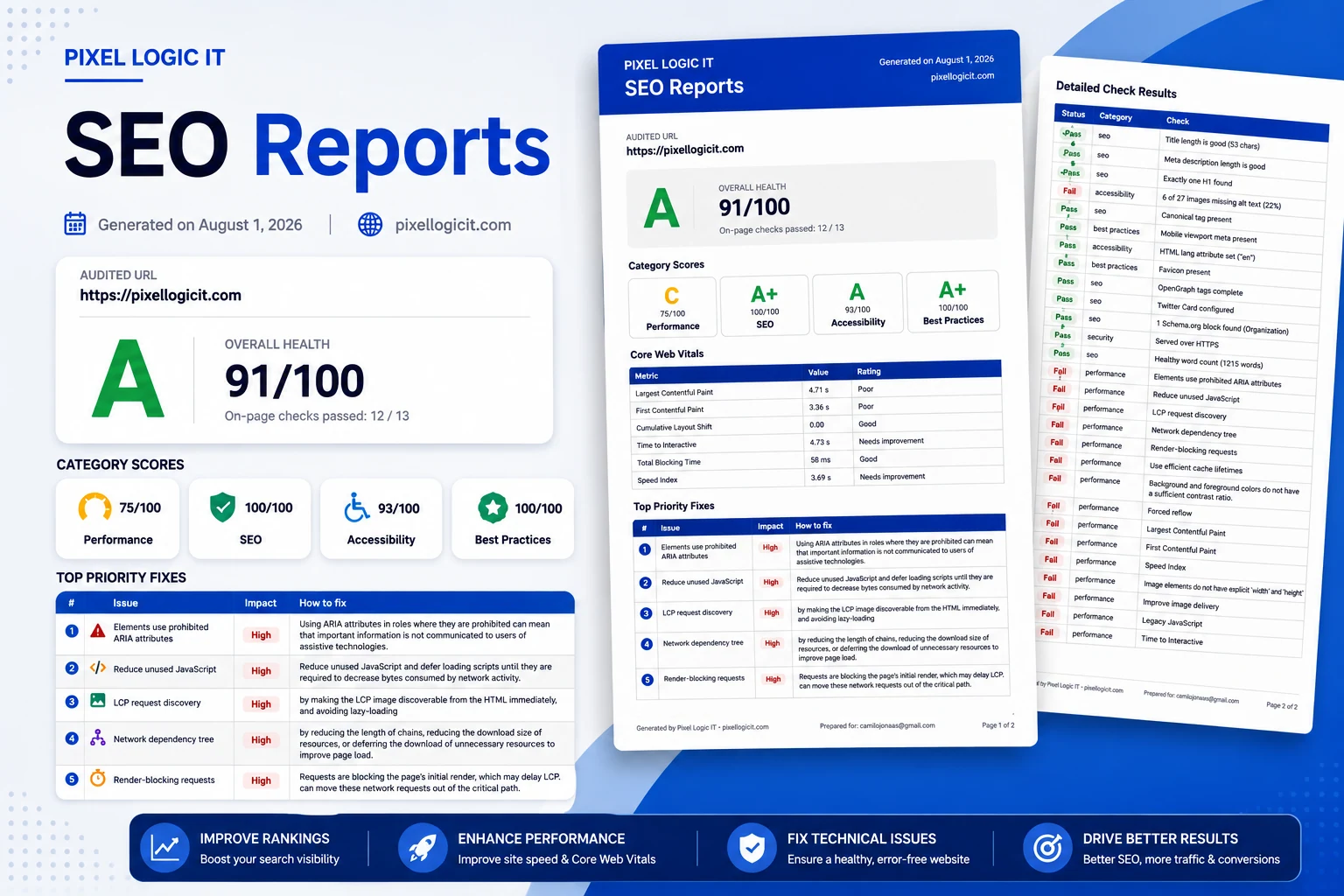
Compare a meaningful period before and after the change, while noting other edits, seasonality, and search updates. A good SEO report should separate visibility, engagement, and business outcomes rather than calling every movement a ranking win.
When Video Can Make a Page Worse
The format can hurt the experience when it loads slowly, shifts the page layout, autoplays unexpectedly, hides the main answer, or repeats information without adding value. It also creates a maintenance obligation. Outdated instructions inside a recording are harder to correct than one sentence in an article.
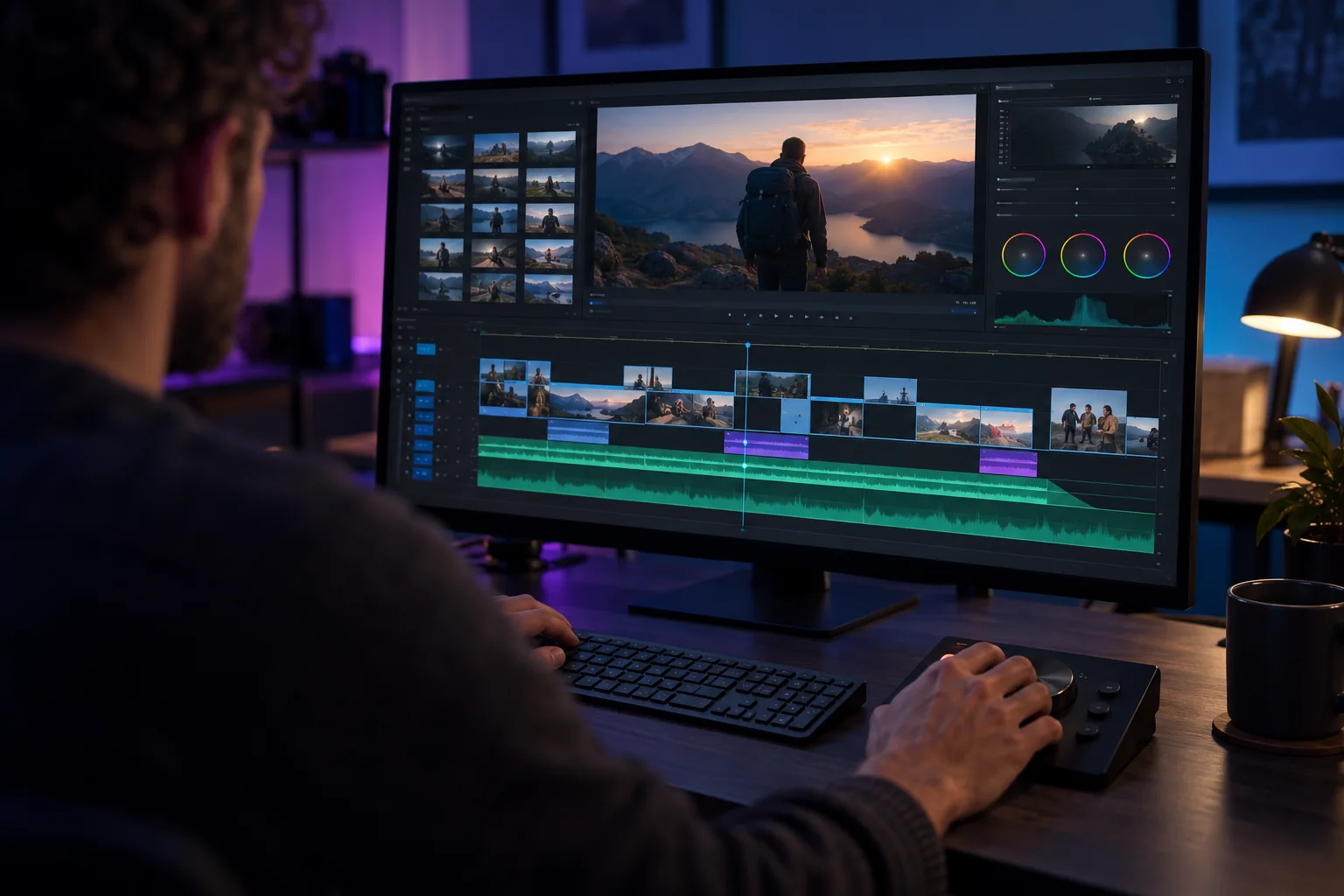
Production quality is not the same as usefulness, but basic video editing still matters. Clear audio, purposeful pacing, readable demonstrations, and accurate captions make the information easier to use.
A creator who wants to edit video with AI can use the saved time to improve the explanation, verify the steps, clean up audio, and remove repetition. The tool should support the answer rather than replace subject knowledge.
Final Answer
Videos can help SEO when they make a page more useful and create additional search visibility. They do not provide an automatic ranking boost. The strongest results come from matching the format to the query, producing information worth watching, meeting Google's technical requirements, and measuring the outcome instead of relying on dramatic industry statistics.
If a demonstration is central to the question, invest in it. If text or a simple image answers the question more efficiently, use the simpler format. Good SEO services should make that decision from user needs and evidence, not from a rule that every page needs an embedded player.
Frequently Asked Questions
Does embedding a video improve rankings? Not automatically. A video may improve the usefulness and search appearance of a page, but the page still has to be relevant, indexable, and high quality.
Does YouTube receive a special SEO advantage? YouTube is widely crawled and has many indexed videos, but Google does not document an automatic ranking preference based on ownership. Your hosting choice should consider control, performance, audience, and indexing needs.
Do transcripts help video SEO? A transcript can improve accessibility and give readers a scannable text version. It also provides useful page context, but it should be accurate and edited rather than pasted as an unreadable block.
Should every blog post include a video? No. Use video when showing the process adds value. A forced or repetitive video can slow the page and create more work without improving the answer.
What should I measure first? Start with video indexing, search impressions, clicks, relevant queries, page performance, and the business action the page is meant to support.